

The Hydrogen Fuel Frontier: Aryanto Misel's Nikuba Tech Shakes the World
20 Sep, 2026
- 15820 views

2016 - 2026 Copyright @ Graphie.
All Rights Reserved
In today’s digital era, competition between business applications is becoming increasingly intense. New apps continue to emerge with better features, cleaner interfaces, and more advanced user experiences. However, behind all of that, there is one major challenge that many businesses still struggle with: keeping users engaged.
Getting people to download an app is important, but keeping them actively using it over time is far more difficult. Many applications succeed in attracting users at the beginning, only to be abandoned later because they feel repetitive, uninteresting, or fail to provide a compelling reason for users to return.
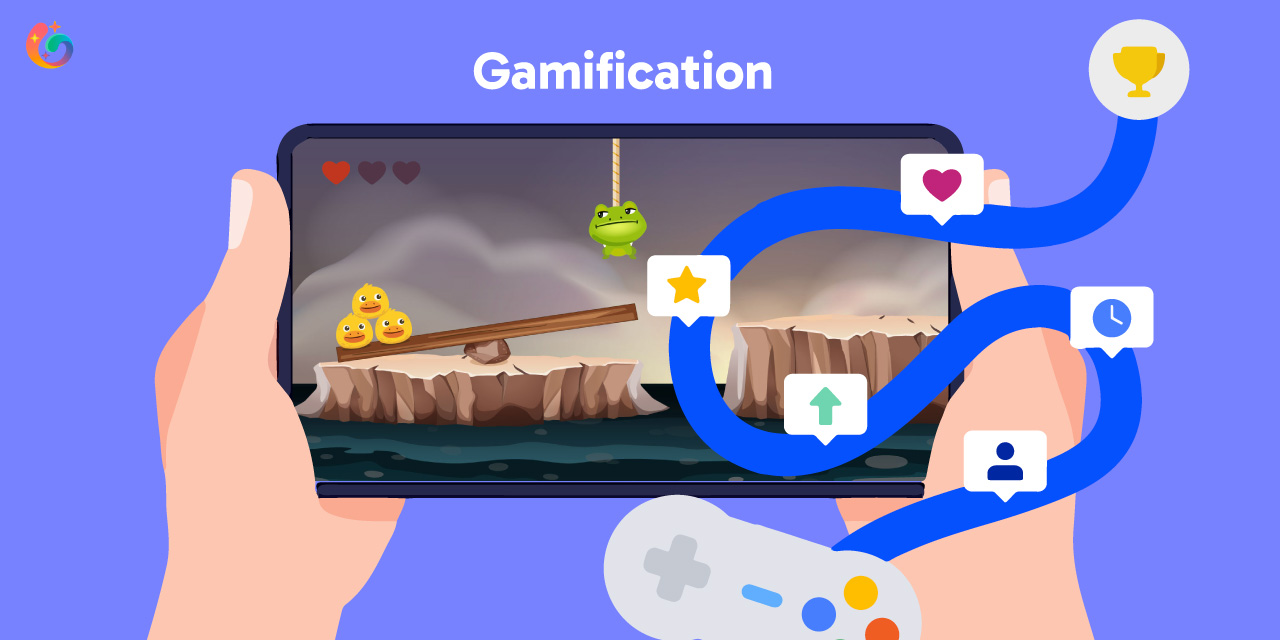
Gamification has become one of the most effective strategies for creating more engaging and interactive digital experiences. It is no longer used only by large tech companies. Today, businesses across various industries — from marketplaces and fintech platforms to loyalty apps and e-learning services — are adopting gamification to improve user retention and engagement.
In simple terms, gamification is the use of game-like elements within non-game applications. The goal is not to turn an app into a video game, but to make the user experience feel more enjoyable, motivating, and rewarding.
Some of the most common examples of gamification include:
Although these features may seem simple, they can have a significant psychological impact on user behavior.
One of the main reasons gamification works so effectively is because humans naturally enjoy challenges, achievements, and rewards. When users feel like they are making progress or completing a goal, the brain responds with a sense of satisfaction that encourages them to continue.
This is what makes modern applications feel more “alive”.
For example, instead of simply displaying a notification saying:
“Your profile is incomplete,”
an application can transform it into a simple mission such as:
Konsultasi GRATIS tanpa Komitmen, dan temukan strategi terbaik untuk bisnis Anda.
CHAT SEKARANG“Complete your profile and earn 100 points.”
This small change can significantly increase the likelihood that users will complete their profile because the task now feels more engaging and purposeful.
The same concept applies to reward and progress systems. Many marketplace applications use cashback progress bars or free shipping milestones to encourage users to increase their purchase value. Once users see they are close to reaching a reward, they are naturally motivated to complete the target.
Beyond engagement, gamification also plays an important role in improving user retention. One of the biggest problems in the digital product industry is the high number of users who stop using an application only days after downloading it. Without a strong reason to return, users can easily move on to competing platforms.
Features such as daily rewards, login streaks, and weekly challenges help create habits that encourage users to come back regularly. Even small rewards can be highly effective when combined with a smooth and enjoyable user experience.
Language learning applications are among the best examples of this strategy. Many of them use daily streak systems to motivate users to continue learning every day. Once users build a long streak, they become emotionally attached to maintaining it. The fear of losing progress becomes a powerful psychological trigger that keeps users engaged.
Gamification also helps strengthen emotional connections between users and brands. When users feel challenged, rewarded, and appreciated, the overall experience becomes more memorable. Instead of viewing the application as just another tool, users begin to associate it with positive experiences.
This matters because customer loyalty today is no longer built solely through pricing or promotions. Experience has become a major factor in determining whether users stay loyal to a platform.
Many successful brands understand that user experience directly impacts customer retention. As a result, gamification is often integrated into broader customer experience strategies to create stronger engagement and deeper loyalty.
Interestingly, gamification does not always require complex systems or expensive development processes. Even simple features such as:
can significantly improve user engagement when implemented correctly.
In an increasingly competitive digital landscape, user attention has become one of the most valuable assets for any business. Applications that can create enjoyable, interactive, and rewarding experiences are far more likely to retain users than those that focus only on functionality.
Because in the end, users are not only looking for applications that are useful.
They are also looking for experiences that feel enjoyable and worth coming back to.

Recommended for you
The Hydrogen Fuel Frontier: Aryanto Misel's Nikuba Tech Shakes the World
The Best Power-Ups and Boosters in Ducky Pop: When and How to Use Them
The Psychology Behind Match-3 Games: Why Ducky Pop is So Addictive
AI Usage in Indonesia: What the Data Reveals About Adoption, Usage Patterns, and Integration Readiness
Feeding the Future: Tackling Global Food Security with AI Agriculture
Ducky Pop: A Splash in the Match-3 Pool
From Idea to Launch: A Step-by-Step Guide to Building Your Dream Startup
The Digital Revolution: How Mobile Apps Have Transformed Our Daily Lives
Ducky Pop: A Splash in the Match-3 Pool
Unlock the Hidden Worlds: Exploring the Different Themes and Levels in Ducky Pop
Tonework: The Future of Personalized Beauty is Here
Typography Tips That Wow: How to Use Fonts Like a Pro
The Future of Website Design: AI-Driven Tools Transforming User Experience
The Power of Data Analytics: How to Drive Growth with Informed Decisions
UI vs. UX: Cracking the Code of Digital Magic